When to Consider Artificial Roof Covering Substitute After Repetitive Tornado Damages
@remingtonimry277
November 8, 2026 · 14 min read
A roofing system can take one significant tornado and recover. It can also take a 2nd event, if the damage is separated and the repair service is done well. The problem begins when the roofing system enters a cycle of duplicated effect, patching, and renewed exposure. Then, the choice is no longer regarding taking care of one area. It becomes a wider question of whether the roofing system still has the strength, weather resistance, and service life to warrant another repair.
That question turns up commonly after seasons noted by hailstorm, wind uplift, ice buildup, and driven rainfall. In places where weather turns rapidly and tornados come through hard, property owners can find themselves submitting numerous cases over a couple of years, replacing sections of shingles, chasing leaks around blinking details, and asking yourself whether they are investing excellent money after negative. This is where artificial roof coverings start to make functional sense, not as a high-end upgrade for its very own benefit, however as a feedback to duplicated failing patterns.
The correct time to take into consideration synthetic roofing replacement is typically not the first time your roof covering is damaged. It is when the roofing has actually quit behaving like a durable whole and started acting like a collection of at risk parts.
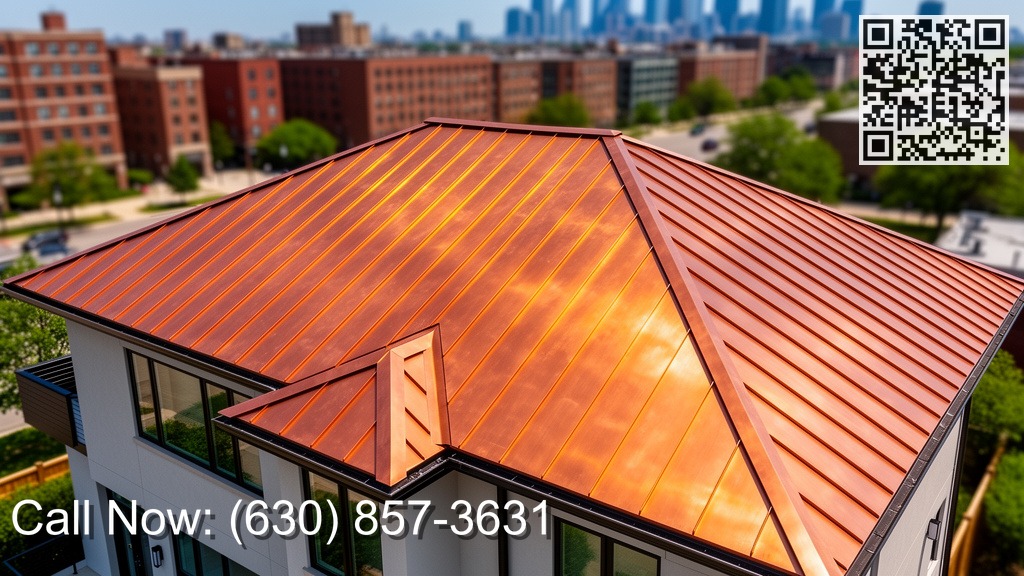
Repeated repairs are commonly extra expensive than they look
Most property owners measure roof covering damages by the noticeable repair work expense. That is easy to understand, however it misses the bigger expense. A storm-damaged roof can produce expenditures that appear gradually, with interior discoloration, insulation wetness, wood deck degeneration, mold and mildew danger in inadequately ventilated areas, and the disruption of emergency service telephone calls. Even when insurance helps, deductibles accumulate, premiums can alter with time, and there is always the soft cost of living with uncertainty whenever extreme weather condition remains in the forecast.
I have actually seen many roofing systems reach this stage without apparent tragic failure. From the ground, they still looked passable. Up close, the story was different. The tile floor covering had come to be roofing contractor fragile, seal strips had actually lost dependability, ridge caps were jeopardized, and previous place fixings had actually developed unequal wear patterns. Because scenario, an additional patch might address the most recent opening, however it seldom brings back the roofing system's original performance.
A synthetic roof covering substitute typically enters the discussion when the home has already experienced 2 or 3 storm-related fixings in a relatively short period. The exact timing depends on the age of the existing roofing, the high quality of the original installation, and the seriousness of each storm, salvoarchitecturalroofingcontractors.com yet the pattern issues. Repetition changes the economics.
What repeated storm damages actually does to a roof system
Storm damages is not just concerning what you can see from the driveway. Hail can wound, fracture, or remove roof material. Wind can damage the bond between tiles and underlayment, especially at edges, ridges, and valleys. Ice can exploit small weaknesses around infiltrations. Hefty rainfall can enter where sealants have aged out or flashing was disturbed throughout a previous repair.
The reason repeated damage issues a lot is collective anxiety. Roof materials are created to carry out as an integrated system. When a roofing has been opened up, covered, resealed, and subjected once more, every treatment creates one more shift factor. Those change points are where future failures usually begin.
This is one reason property owners start asking about synthetic roofing systems after back-to-back storm seasons. High-grade synthetic products are crafted to resist effect, moisture absorption, and climate biking more effectively than lots of traditional choices. That does not make them unbreakable, and any truthful artificial roofing contractor need to say so plainly. Yet it can lower the regularity and seriousness of damage, which is frequently the objective after a discouraging run of repairs.
The warning signs that factor towards replacement, not an additional patch
A roof covering does not require to be collapsing to justify substitute. In technique, the choice normally comes from a cluster of indicators as opposed to one significant occasion. If you are seeing several of these simultaneously, it is time to seriously evaluate artificial roof covering substitute rather than authorizing one more repair service:
- Storm repair work have actually been done more than once in the past few years, particularly on different parts of the roof.
- Matching the existing material has become difficult, leaving patched areas with different efficiency or appearance.
- Leaks keep returning around valleys, chimneys, skylights, or roofing system penetrations.
- The roof has visible breaking, granule loss, curling, loosened up tabs, or effect marks throughout several slopes.
- Your professional is repairing symptoms, but the underlying roof age and put on recommend the material is near completion of its trustworthy life.
That fifth factor deserves more focus than it obtains. If a roof is already fifteen to twenty years right into solution, depending upon material and direct exposure, storm damages can be the event that discloses just how little resilience is left. A repair work may be practically possible, however that is not the same as being wise.
Why synthetic roof covering becomes part of the conversation
When house owners listen to "artificial," they in some cases presume it means plastic-looking, lightweight, or builder-grade. In the roofing globe, that is usually the opposite of what is being reviewed. Costs synthetic roof covering is normally selected for its ability to reproduce premium natural products while boosting resilience and reducing several of the weak points that come with timber, slate, or lower-grade asphalt.
Architectural artificial roof covering can mimic shake, slate, or designer accounts with a surprising level of depth and detail. On the useful side, synthetic roof covering roof shingles are generally lighter than all-natural slate, less prone to splitting than timber, and frequently a lot more impact immune than many conventional roof products. Those high qualities matter after repeated hail storm and wind events.
For property owners considering synthetic roofing for luxury homes, the appearance question is usually equally as crucial as the performance concern. They desire a roof covering that matches stonework, rock, stucco, or customized trim details without looking excessively produced. The very best products satisfy both objectives. They hold up well under extreme weather condition and still provide a refined building finish.
That equilibrium is why property synthetic roof covering has actually obtained traction in storm-prone markets. It is not only concerning making it through the following climate event. It has to do with replacing a roof with something that much better fits the lasting problems it will really face.
Storm exposure transforms the substitute formula in places like Chicagoland
Not every area stresses roofings in the same way. Around Chicago, roof coverings can go from summer hail storm to winter months freeze-thaw cycles in the exact same year. Wind events, ice dams, temperature swings, and moisture filling all collaborate. A roof material that executes adequately in a milder environment may mature very in different ways here.
That is why conversations concerning artificial roof Chicago or synthetic roof covering Naperville IL are commonly more technological than property owners expect. The replacement decision is not just about shade and profile. It is about ventilation method, underlayment choice, fastening approaches, flashing information, attic problems, and whether the product has a tested document in this kind of climate.
A great artificial professional roofer Chicagoland property owners can trust will typically begin with a system-level testimonial. That means looking past the shingles themselves and taking a look at the deck, consumption and exhaust ventilation, insulation interaction, flashing, valleys, ridges, and drain courses. Storm resistance is never only regarding the revealed surface. It has to do with how the entire setting up is built.
When repair work still makes sense
Not every storm-damaged roof covering need to be replaced. Sometimes the damage is separated, the roof covering is reasonably new, coordinating products are readily available, and the underlying system is still audio. Because situation, a targeted repair service is sensible and affordable.
This is particularly true when the roof has not had a history of repeating leakages or duplicated insurance claims, and the storm event clearly affected one area rather than the entire structure. A gauged specialist should be willing to state that a repair work suffices when the facts sustain it.
Still, there is a difference between a repairable roofing system and a roofing that is just patchable. A patchable roof can accept another solution. A repairable roof covering can be recovered to trustworthy service without setting up the next failing. That difference issues. Property owners commonly do not hear it plainly enough.
What synthetic products supply after duplicated hail and wind events
The charm of artificial roofing systems ends up being clearer when you compare them to the powerlessness of storm-worn standard roofing systems. Better synthetic products are made to resist splitting, splitting, moisture absorption, and UV destruction over lengthy service periods. Numerous are likewise crafted to keep shape and appearance much more continually than natural products revealed to duplicated freeze-thaw cycles.
That can be specifically useful on intricate roofs with dormers, hips, valleys, and ornamental changes. Those details are appealing, however they also produce extra sides, even more cuts, and much more areas where wind-driven water can test the installation. A well-designed artificial roof covering setup can aid simplify maintenance while maintaining the high end look that complicated rooflines usually demand.
Another sensible advantage is weight. Homeowners curious about a slate-style appearance might not have the structural capacity for all-natural slate without reinforcement. Architectural artificial roof covering can supply a similar aesthetic result without the very same dead tons. That can open up design options that would certainly otherwise be cost-prohibitive.
The setup matters as much as the material
A solid item installed poorly is still a weak roofing. I have seen home owners invest for costs synthetic roof covering and end up let down because faster ways were tackled layout, fastening, blinking integration, or air flow. They assumed they were acquiring storm resistance, however what they truly acquired was a premium-looking surface area laid over unsolved problems.
That is why selecting the ideal synthetic roof covering business matters equally as long as choosing the item. A certified synthetic roofer should have the ability to discuss not just why a certain item fits your house, however how it will be mounted carefully. Ask straight concerns. Exactly how are valleys being handled? What underlayment is specified? How will ridge ventilation be balanced with soffit consumption? Are flashings being changed or recycled? Will the old decking be evaluated and documented throughout tear-off?
The best artificial roof covering installers are typically very comfortable with those concerns. They have addressed them lot of times. They recognize that repeated storm damages is commonly a signs and symptom of weak points that existed before the most up to date climate event. Their work is not to conceal those weak points under brand-new material. It is to deal with them.
A short real-world pattern home owners often recognize
A rather common situation appears like this. A home has an aging asphalt roofing system that has currently gone through one hail storm claim. A few years later, another tornado damages a various incline. A repair is made, but the materials no more match perfectly, and the older tiles close by are breakable. The adhering to winter months, a leakage shows up near a valley where old and brand-new sections meet. By spring, the homeowner has paid one insurance deductible, one out-of-pocket fixing, and one interior drywall bill.
At that factor, the irritation is no more regarding one leakage. It has to do with self-confidence. The property owner does not trust the roof anymore.
That is commonly the moment when synthetic roof replacement ends up being the much more rational course. Not because the old roofing fell short simultaneously, however due to the fact that it failed in a manner that produced uncertainty every season. A replacement can reset the system, solve hidden weaknesses, and reduce the probabilities of repeating the same pattern.
How to evaluate whether the timing is right
There is no universal year or tornado matter that determines replacement. The choice should rest on condition, fixing background, and future direct exposure. If you are trying to judge the timing, concentrate on a few functional questions.
Ask whether the roofing system can still be restored as a unified system, not just patched aesthetically. Ask whether future matching repairs are most likely to be readily available. Ask whether the underlying deck and blinking details continue to be dependable. Ask whether the roofing system's age makes each brand-new tornado disproportionately costly. Most importantly, ask whether another fixing would truly improve dependability or simply delay a substitute that is currently becoming inevitable.
Sometimes house owners wait because a complete replacement feels like a huge jump. That is reasonable. But reluctance can end up being pricey if the roof is already in decline. Persistent dampness invasion rarely gets less costly with time.
Insurance, aesthetics, and resale all play a role
Repeated storm damage commonly brings insurance coverage into the conversation, however insurance needs to not be the single vehicle driver of the choice. Insurance coverage varies, and claim outcomes depend upon the cause, level, age, and policy terms. What matters from a homeowner's viewpoint is whether the roofing system you choose next off will certainly leave you in a better setting than the one you are replacing.
For some houses, that suggests picking synthetic roof shingles with a profile near to the initial roof to maintain community consistency. For others, particularly owners of custom-made homes, synthetic roof covering for deluxe homes may use a chance to enhance both suppress allure and durability at the same time. An appropriate roofing system can develop the architecture of a house, not simply secure it.
Resale value gets in the conversation as well, though it should be watched realistically. A new roofing system seldom returns dollar-for-dollar value on its own. What it does do is eliminate a major objection. Purchasers discover patched, irregular, storm-worn roofings. They also observe top notch artificial roofs that look significant and current. In competitive markets, that distinction can impact how rapidly a home actions and just how much negotiating stress the seller faces.
Questions worth asking prior to you commit
If you are reviewing a replacement after repeated tornados, the top quality of the conversation you have with the professional will tell you a great deal. Solid service providers have a tendency to invite thorough concerns since they understand the decision is significant. At a minimum, you must come away with clear responses on these factors:
- Why is replacement recommended now as opposed to another repair?
- Which artificial roofing systems fit this home and environment, and why?
- What surprise problems might be uncovered during tear-off, and just how are they handled?
- Who will certainly perform the synthetic roofing setup, firm teams or subcontractors?
- What craftsmanship protections and supplier needs relate to this project?
Those responses ought to specify to your roofing system, not generic sales language. If a professional leaps straight to product pamphlets without carefully inspecting the roofing system, attic, water drainage, and flashing conditions, that is an indication. Storm resilience is constructed through details.
The finest factor to replace is not be afraid, it is predictability
Homeowners often think roof substitute choices are driven by fear of the next tornado. In my experience, the far better factor is predictability. Once a roof has experienced repeated damages, and once repair services stop restoring confidence, the goal changes. You want a roofing system that executes much more reliably, needs fewer reactive decisions, and fits the problems your home really encounters year after year.
That is where premium artificial roof usually shows its value. It can supply the architectural character several property owners desire, with stronger resistance to the kinds of effect, moisture, and climate cycling that use down extra at risk products. In markets with harsh seasonal shifts, especially where house owners are proactively trying to find synthetic roof covering Chicago services or a relied on artificial roofer in the bordering suburbs, that worth comes to be much more concrete with every tornado season.
If your roof has entered the cycle of reoccuring damages, reoccuring repairs, and reoccuring doubt, it may be time to stop dealing with the signs. A meticulously prepared artificial roofing replacement can transform an unforeseeable obligation back into a long lasting, cohesive part of the home. That is typically the point when replacement quits sensation like an upgrade and begins feeling like the practical next step.
When Quality Matters
Salvo Architectural Roofing Contractors
566 West 5th Ave Naperville, IL 60563
(630) 857-3631
 Ask ChatGPT
 Ask Grok
 Ask Perplexity
 Ask Claude
 Ask Google AI
 Ask You